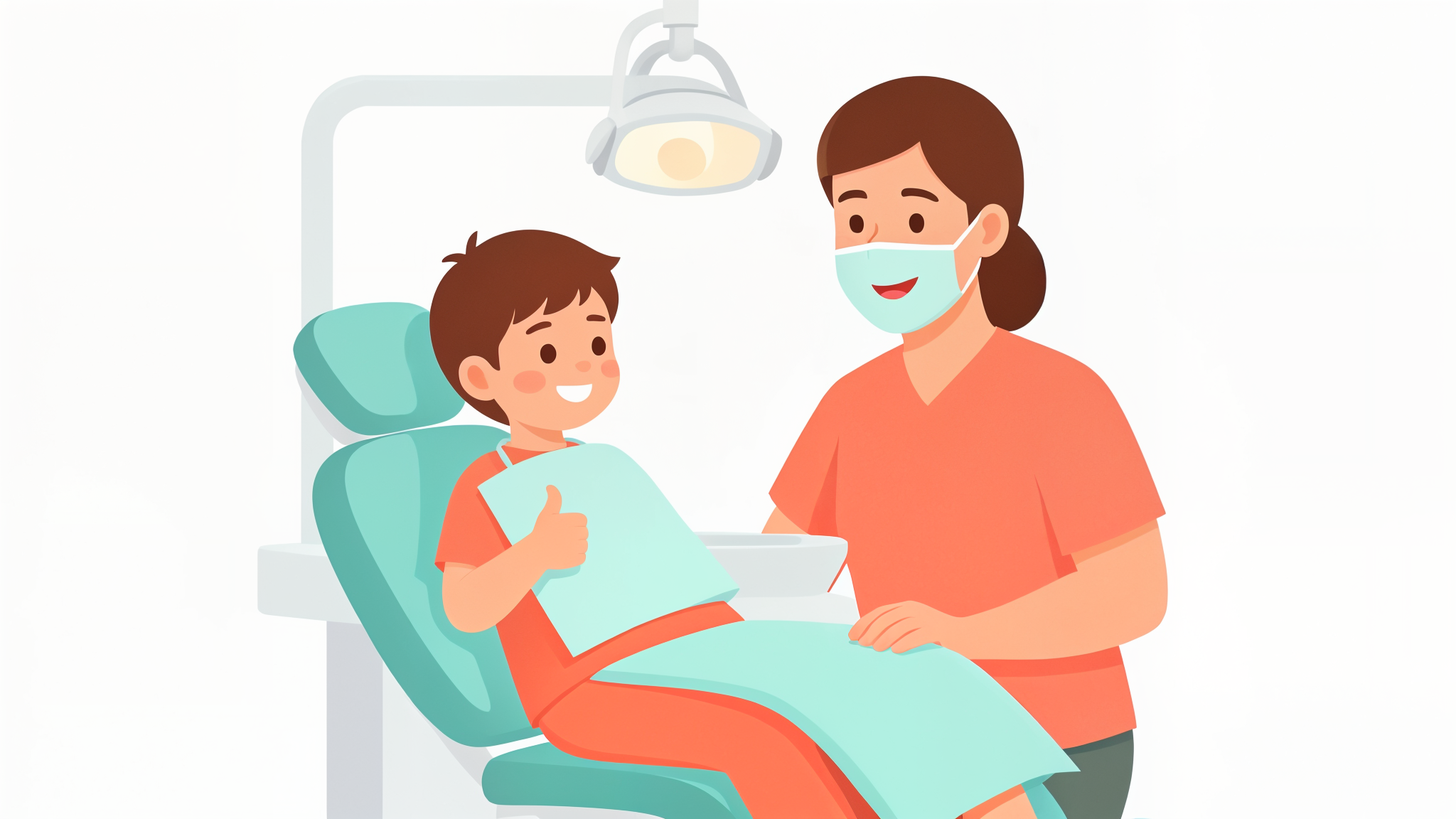
How to Prepare Your Child for Their First Dentist Visit
My daughter screamed through her entire first dentist appointment. Not because it hurt — nothing even touched her teeth — but because I'd spent the drive over describing drills and needles in my attempt to "prepare" her.
That was my first mistake. Here's what actually works, from parents and pediatric dentists who do this every day.
When the first visit should happen
The American Academy of Pediatric Dentistry says the first visit should be by age one, or within six months of the first tooth appearing — whichever comes first. Most parents hear this and think it's overkill. A one-year-old doesn't have many teeth, so what's the point?
The point isn't the teeth. It's the habit. A child who's been in a dental chair a dozen times before their first cavity doesn't fear the dentist the way a four-year-old walking in cold does. The first visit is about meeting the dentist, sitting in the chair, and learning that this place isn't scary.
The mistake almost every parent makes
Don't describe the tools. Not the drill, not the needle, not the "scary part." Every word you say becomes a horror movie in a kid's head.
Instead of "the dentist will look at your teeth with a little mirror," try "you get to sit in a big chair that goes up and down." Frame it as an adventure, not a procedure.
And never say the words "shot," "drill," "pull," or "hurt" — even in reassurance like "it won't hurt." Kids hear "hurt" and stop listening to everything else.
What to do the week before
Read books about it. There are a dozen good picture books about going to the dentist. Reading one a few times makes the whole thing feel normal and expected. Daniel Tiger and Peppa Pig both have dentist episodes that do more than any lecture.
Let them watch you. If you have a dentist appointment before theirs, bring them along to watch. When they see mom or dad sitting calmly in the chair, they learn it's no big deal.
Play dentist at home. Lie them on the couch, count their teeth with a toothbrush, let them practice opening wide. When the real thing happens, it feels familiar.
Schedule smart. Book the appointment when your child is well-rested — right after a nap, never right before one. A tired kid is a meltdown waiting to happen, and you don't want their first dental memory to be a tantrum.
What actually happens at the first visit
Most first visits are short — 20 to 30 minutes. The dentist counts teeth, checks the gums and bite, and does a quick cleaning if the child is comfortable. That's it. No X-rays, no scraping, no procedures. If the appointment runs long, something's off.
You'll sit in the chair too, with the child in your lap, for most first visits. This is normal and expected. The dentist will talk to you more than the child — about teething, brushing technique, thumb-sucking, and diet. Bring your questions.
What to bring
A favorite stuffed animal or blanket. A change of clothes for younger kids (accidents happen when they're nervous). And your insurance card — pediatric dentists in Salt Lake City accept a wide range of plans, but you'll want to confirm coverage before the appointment rather than after.
Also worth knowing: many Salt Lake City pediatric practices accept Medicaid and CHIP, so cost shouldn't be the reason you skip the first visit. If you're not sure what your plan covers, call the office and ask — they'll check for you.
If it goes badly anyway
Some kids cry. Some scream. Some clamp their mouth shut and refuse to cooperate. That's okay, and it's not a failure.
A good pediatric dentist has seen all of it — they're trained in child behavior and know when to push and when to stop. If your child isn't having it, the dentist will usually end the visit early, count it as a "happy visit" (just sitting in the chair, maybe riding it up and down), and try again in a few weeks. The goal is to leave with a neutral or positive feeling, not a finished cleaning.
The worst thing you can do is turn it into a big deal. Don't punish, don't apologize profusely, don't promise ice cream if they behave. Just say "we'll try again soon" and move on. Kids read your reaction more than they remember the visit.